📅 Last Updated: April 2026 | Reviewed by: David Mitchell, Independent Health Researcher
Overview
SugarMute Review: What You Need to Know Before Buying
According to the Centers for Disease Control and Prevention (CDC), approximately 38.4 million Americans — roughly 11.6% of the US population — have diabetes, and an estimated 97.6 million adults aged 18 or older have prediabetes. Globally, the International Diabetes Federation estimates that 537 million adults are currently living with diabetes. The financial, physical, and emotional burden of blood sugar dysregulation makes this one of the most pressing public health challenges of the 21st century.
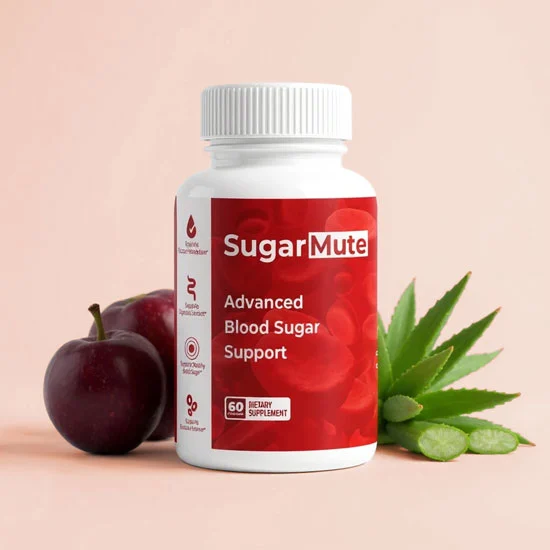
SugarMute is a dietary supplement formulated with 8 botanical and mineral ingredients that target blood glucose metabolism, insulin sensitivity, and sugar craving reduction. Marketed toward adults over 40 experiencing blood sugar fluctuations, energy crashes, or early metabolic irregularities, it is manufactured in an FDA-registered, GMP-certified facility in the United States. This review examines the clinical evidence behind each ingredient, compares SugarMute against its main competitors, and presents real customer outcomes — both positive and negative.
This review covers: a full breakdown of all 8 ingredients with PubMed citations, the biological mechanism of action, an honest pros and cons analysis, a neutral side-by-side competitor comparison, real customer experiences, safety considerations, pricing, and our final verdict. No affiliate relationship has influenced this assessment.
🔍
Our Review Methodology: This review follows a 5-step research process: (1) Ingredient literature search on
PubMed and
Cochrane Library, (2) Clinical evidence quality assessment by study design strength, (3) Manufacturer transparency and claims verification, (4) Customer feedback analysis from verified purchasers, (5) Side-by-side comparison with leading alternatives. We do not accept payment to alter findings.
📋 How We Research & Score Supplements
Each supplement is scored on five criteria: ingredient quality, clinical evidence strength, value for money, guarantee policy, and manufacturer transparency. Scores are assigned independently. We update reviews when new studies are published or product formulas change. See our editorial guidelines and review process for full methodology details.
Health Education
Understanding Blood Sugar: What Every Adult Over 40 Should Know
What Is Blood Sugar and Why Does It Matter?
Blood glucose (blood sugar) is the primary source of energy for the body's cells. It comes from the food we eat — particularly carbohydrates — and is transported through the bloodstream to cells where it is used for energy. The pancreas plays a central regulatory role: it secretes insulin, a hormone that allows glucose to enter cells, and glucagon, which signals the liver to release stored glucose when levels drop too low. The balance of these hormones keeps blood glucose within a narrow, healthy range — typically 70–99 mg/dL fasting and below 140 mg/dL two hours after eating.
When this balance breaks down — either due to insufficient insulin production, impaired insulin sensitivity in cells (insulin resistance), or both — blood glucose levels become chronically elevated, a condition that damages blood vessels, nerves, and organs over time.
How Common Are Blood Sugar Disorders?
According to the CDC's National Diabetes Statistics Report, as of 2024: 38.4 million Americans have diabetes (11.6% of the population), of whom 8.7 million are undiagnosed. A further 97.6 million adults have prediabetes — a state of elevated blood sugar below the diabetic threshold — and approximately 80% of prediabetic individuals are unaware of their condition. The risk increases significantly after age 45.
Common Symptoms of Blood Sugar Imbalance
- Hyperglycemia (high blood sugar): Frequent urination (polyuria), excessive thirst (polydipsia), blurred vision, fatigue, slow wound healing, frequent infections
- Hypoglycemia (low blood sugar): Shakiness, sweating, rapid heartbeat, confusion, irritability, hunger
- Insulin resistance / prediabetes: Persistent energy crashes after meals, strong carbohydrate cravings, difficulty losing weight (especially abdominal), acanthosis nigricans (darkened skin patches), elevated triglycerides
- Type 2 diabetes symptoms: Any of the above plus increased hunger (polyphagia), unintended weight loss, numbness/tingling in hands or feet (peripheral neuropathy)
What Causes Blood Sugar Dysregulation?
The primary driver of type 2 diabetes and prediabetes is insulin resistance — a state in which muscle, liver, and fat cells do not respond normally to insulin, forcing the pancreas to produce increasingly larger amounts to compensate. Over time, the pancreatic beta cells become exhausted and insulin production declines. Key contributing factors include:
- Excess body fat, particularly visceral abdominal fat, which releases pro-inflammatory cytokines that interfere with insulin signaling
- Physical inactivity — skeletal muscle is responsible for ~80% of glucose uptake; sedentary behavior drastically reduces this capacity
- Chronic inflammation — inflammatory markers (IL-6, TNF-α) directly impair insulin receptor signaling pathways
- Mitochondrial dysfunction — reduced cellular energy capacity impairs glucose oxidation
- Genetic predisposition — family history of type 2 diabetes increases personal risk by 2-3x
- Sleep disruption — even one night of poor sleep raises insulin resistance measurably
Medical Diagnosis of Blood Sugar Disorders
Doctors diagnose blood sugar conditions using standardized tests:
- Fasting Plasma Glucose (FPG): Normal <100 mg/dL | Prediabetes 100–125 mg/dL | Diabetes ≥126 mg/dL (confirmed on two occasions)
- HbA1c (glycated hemoglobin): Reflects average blood sugar over ~3 months. Normal <5.7% | Prediabetes 5.7–6.4% | Diabetes ≥6.5%
- Oral Glucose Tolerance Test (OGTT): 2-hour reading after 75g glucose drink. Normal <140 mg/dL | Prediabetes 140–199 mg/dL | Diabetes ≥200 mg/dL
- Random Plasma Glucose: ≥200 mg/dL with symptoms confirms diabetes
Conventional Medical Treatments for Type 2 Diabetes and Prediabetes
Standard medical treatments include:
- Metformin (biguanide): First-line drug for type 2 diabetes. Reduces hepatic glucose production and improves insulin sensitivity. Common side effects: GI disturbance (nausea, diarrhea), rarely lactic acidosis.
- SGLT2 inhibitors (empagliflozin, dapagliflozin): Cause kidneys to excrete excess glucose. Also show cardiovascular and kidney-protective benefits. Side effects: urinary tract infections, genital yeast infections.
- GLP-1 receptor agonists (semaglutide/Ozempic, liraglutide): Stimulate insulin secretion, suppress glucagon, slow gastric emptying, reduce appetite. Strong evidence for weight loss and cardiovascular protection. Side effects: nausea, vomiting, pancreatitis risk.
- Sulfonylureas (glipizide, glyburide): Stimulate insulin release from pancreatic beta cells. Effective but risk of hypoglycemia. Older drug class.
- Insulin therapy: Required for type 1 diabetes and advanced type 2. Multiple daily injections or continuous pump delivery.
- Lifestyle intervention: The Diabetes Prevention Program (DPP) showed that structured lifestyle changes (5-7% weight loss + 150 min/week moderate exercise) reduced diabetes risk by 58% in prediabetic individuals — more effective than metformin alone.
When to See a Doctor
Seek immediate medical attention if you experience: blood glucose over 300 mg/dL, symptoms of diabetic ketoacidosis (fruity breath, nausea, abdominal pain, confusion), severe hypoglycemia with loss of consciousness, or chest pain alongside high blood sugar. Schedule a routine appointment if you have risk factors for diabetes (overweight, family history, sedentary lifestyle) and have not been screened in the past year.
⚠️
Important: SugarMute is a dietary supplement, not a medical treatment. It cannot diagnose, treat, cure, or prevent diabetes or any other disease. Anyone with diagnosed diabetes must continue their prescribed medical treatment and not substitute it with any supplement without physician approval.
Lifestyle Guidance
Diet, Lifestyle & Natural Approaches to Blood Sugar Health
Alongside any medical treatment or supplementation, lifestyle factors have the most powerful documented impact on blood sugar regulation. The following guidance is based on clinical research and recommendations from the National Institute of Diabetes and Digestive and Kidney Diseases (NIDDK) and the American Diabetes Association.
Foods That Support Healthy Blood Sugar
- Non-starchy vegetables (broccoli, spinach, kale, peppers): High fiber, minimal glucose impact. Sulforaphane in broccoli activates Nrf2 pathway, reducing oxidative stress in beta cells. Aim for half your plate at each meal.
- Legumes (lentils, chickpeas, black beans): Low glycemic index, high soluble fiber. A landmark 2012 study in Archives of Internal Medicine found daily legume consumption lowered HbA1c by 0.5% in type 2 diabetic patients over 3 months.
- Fatty fish (salmon, mackerel, sardines): Omega-3 fatty acids (EPA/DHA) reduce systemic inflammation and improve cell membrane fluidity, enhancing insulin receptor function.
- Whole oats and barley: Beta-glucan soluble fiber slows glucose absorption and improves postprandial glycemic response. A meta-analysis in European Journal of Nutrition confirmed oat beta-glucan reduces fasting glucose and HbA1c.
- Nuts (almonds, walnuts, cashews): Magnesium-rich; magnesium deficiency is associated with insulin resistance. The PREDIMED trial linked daily nut consumption to improved insulin sensitivity.
- Vinegar and fermented foods: Acetic acid in vinegar inhibits disaccharidase enzymes, slowing carbohydrate digestion. Studies show 2 tablespoons of apple cider vinegar before meals can reduce postmeal glucose spikes by 20-34%.
- Berries (blueberries, strawberries): Anthocyanins improve insulin sensitivity and reduce oxidative stress. Relatively low glycemic index for fruit.
Foods to Limit or Avoid
- Sugar-sweetened beverages (soda, juice, energy drinks): Liquid fructose bypasses satiety signals and rapidly elevates blood glucose. Each additional daily serving raises type 2 diabetes risk by ~26% (Harvard Nurses' Health Study).
- Refined white carbohydrates (white bread, white rice, pasta): High glycemic index causes rapid glucose spikes and subsequent insulin surges, accelerating insulin resistance over time.
- Ultra-processed foods: High in refined carbohydrates, trans fats, and inflammatory additives. Associated with increased diabetes risk in large prospective cohort studies.
- Excessive alcohol: Interferes with hepatic glucose regulation. Can cause hypoglycemia (especially with diabetes medications) or hyperglycemia depending on type and amount consumed.
Lifestyle Habits That Improve Blood Sugar Control
- Regular physical activity: 150 minutes per week of moderate-intensity aerobic exercise (brisk walking, cycling, swimming) is the single most evidence-backed intervention for improving insulin sensitivity. The Diabetes Prevention Program showed 58% diabetes risk reduction with exercise alone.
- Resistance training: Building skeletal muscle mass increases the body's glucose disposal capacity. Even 2-3 sessions per week of weight training significantly improves glucose uptake independent of cardio.
- Post-meal walking: A 10-minute walk after meals has been shown to reduce postprandial glucose spikes more effectively than a single 30-minute pre-meal walk (study: Diabetologia, 2022).
- Prioritize sleep: Even one night of sleep restriction to 4-5 hours raises insulin resistance by ~25%. A consistent 7-9 hour sleep schedule is among the most underrated blood sugar interventions.
- Stress management: Cortisol directly raises blood glucose and promotes visceral fat accumulation. Mindfulness-based stress reduction (MBSR) has been shown to lower HbA1c by 0.48% in diabetic patients over 8 weeks.
- Stay hydrated: Mild dehydration concentrates blood glucose. Drinking adequate water (8+ cups/day) supports kidney glucose filtration and overall metabolic function.
Sources: CDC Diabetes Resources | NIDDK | Mayo Clinic Type 2 Diabetes Guidelines | American Diabetes Association Standards of Medical Care 2024
Product Overview
What Is SugarMute?
SugarMute is a dietary supplement in capsule form, formulated with 8 botanical and mineral ingredients chosen for their roles in blood glucose metabolism, insulin sensitivity, and carbohydrate craving reduction. It is manufactured in an FDA-registered, GMP-certified facility in the United States and sold exclusively through its official website.
Who It's Designed For
- Adults over 40 experiencing postmeal energy crashes or blood sugar fluctuations
- Individuals with prediabetes or borderline HbA1c seeking natural support
- People with persistent sugar and carbohydrate cravings they want to reduce
- Those seeking to support insulin sensitivity alongside diet and exercise
- Adults who have been told to "watch their blood sugar" by a physician
What Makes It Different
Most blood sugar supplements rely on a single ingredient such as Berberine or Chromium alone. SugarMute takes a multi-pathway approach — targeting glucose absorption (Berberine, Bitter Melon), insulin sensitivity (Chromium, Alpha Lipoic Acid), pancreatic cell support (Zinc), sugar craving reduction (Gymnema Sylvestre), and anti-inflammatory support (Cinnamon, Banaba Leaf). This layered approach is more consistent with the multi-factorial nature of blood sugar dysregulation.
⚠️
Medical Disclaimer: SugarMute is not a drug and cannot treat or cure diabetes. It must not be used as a replacement for prescribed diabetes medications. Anyone with diagnosed type 1 or type 2 diabetes must consult their physician before adding any supplement to their regimen.
Science
SugarMute Ingredients: Full Breakdown with Clinical Evidence
Below is a detailed analysis of all 8 active ingredients in SugarMute, with published clinical evidence and mechanism of action for each.
1. Berberine HCl (Berberis aristata)
AMPK Activator & Glucose Regulator
What it does: Berberine activates AMP-activated protein kinase (AMPK), often called a "metabolic master switch." This activation improves insulin sensitivity, increases glucose uptake in muscle cells, and reduces hepatic glucose production — effects similar in mechanism to the drug metformin.
Clinical evidence: A landmark randomized controlled trial published in Metabolism (2008) involving 116 patients with type 2 diabetes found that 500mg berberine three times daily for 3 months reduced fasting blood glucose by 20%, postprandial glucose by 28%, and HbA1c by 0.9% — comparable to metformin in the same study cohort.
Typical benefits: Reduced fasting glucose, improved insulin sensitivity, lower postmeal glucose spikes, reduced sugar cravings over 6-12 weeks of use.
2. Chromium Picolinate
Insulin Sensitizer & Carb Craving Reducer
What it does: Chromium is an essential trace mineral that potentiates insulin action by activating the insulin receptor tyrosine kinase and facilitating glucose transporter (GLUT-4) translocation to cell membranes. It also modulates serotonin signaling pathways associated with carbohydrate cravings. Many adults are mildly chromium-deficient due to processed food diets.
Clinical evidence: A meta-analysis published in Diabetes Technology & Therapeutics (2014) reviewing 15 randomized trials found chromium picolinate supplementation significantly reduced fasting glucose, insulin levels, and HbA1c in type 2 diabetic patients, with a particularly strong effect in those with chromium deficiency.
Typical benefits: Reduced carbohydrate cravings, improved insulin signaling, more stable blood glucose throughout the day.
3. Cinnamon Bark Extract (Cinnamomum verum)
Insulin Mimetic & Anti-Glycation
What it does: Cinnamon contains bioactive compounds including cinnamaldehyde, proanthocyanidins, and methylhydroxychalcone polymer (MHCP) that act as insulin mimetics — they activate insulin receptors and facilitate glucose transport without requiring insulin. Additionally, cinnamon inhibits intestinal alpha-glucosidase enzymes, slowing carbohydrate digestion and reducing postprandial glucose spikes.
Clinical evidence: A double-blind RCT published in Diabetes Care (2003) by Khan et al. involving 60 patients with type 2 diabetes found that 1-6g cinnamon daily for 40 days reduced fasting serum glucose by 18-29%, triglycerides by 23-30%, and LDL cholesterol by 7-27% compared to placebo.
Typical benefits: Lower fasting glucose, reduced postmeal spikes, improved lipid profile, mild anti-inflammatory effects.
4. Bitter Melon Extract (Momordica charantia)
Glucose Uptake Facilitator
What it does: Bitter melon contains three active antidiabetic compounds: charantin (a steroidal saponin), vicine, and polypeptide-p (plant insulin). These compounds activate AMPK, inhibit glucose-6-phosphatase in the liver (reducing glucose output), and stimulate glucose uptake in peripheral tissues. It has been used as a traditional antidiabetic agent in Ayurvedic and Chinese medicine for centuries.
Clinical evidence: A review published in Journal of Ethnopharmacology (2011) analyzed multiple human trials and found that bitter melon extract significantly lowered fasting blood glucose in type 2 diabetic patients, though effect sizes varied. A 2019 RCT in Complementary Medicine Research confirmed significant reductions in fasting glucose and HbA1c over 12 weeks.
Typical benefits: Lower fasting blood glucose, improved glucose tolerance, reduced glycation markers over 2-3 months.
5. Gymnema Sylvestre
Sugar Craving Suppressor & Beta-Cell Support
What it does: Gymnema Sylvestre contains gymnemic acids that temporarily bind to sweet taste receptors on the tongue, reducing the perceived sweetness of sugar and suppressing sugar cravings — a unique mechanism not shared by any other ingredient in this formula. Additionally, gymnemic acids may support pancreatic beta-cell regeneration and improve insulin secretion over time.
Clinical evidence: A study published in the Journal of Ethnopharmacology (1990) found that type 2 diabetic patients taking 400mg Gymnema Sylvestre extract daily for 18-20 months showed significant reductions in fasting blood glucose, HbA1c, and glycosylated plasma proteins, with 5 of 22 patients able to reduce oral medication dosages under physician supervision.
Typical benefits: Reduced sweet food cravings within days, improved blood glucose over weeks-months, potential beta-cell support with longer use.
6. Alpha Lipoic Acid (ALA)
Antioxidant & Insulin Sensitivity
What it does: Alpha Lipoic Acid is a potent endogenous antioxidant that is both fat and water soluble — uniquely capable of working throughout the cell. In metabolic health, ALA improves insulin-stimulated glucose uptake by activating GLUT-4 translocation, reduces oxidative stress in pancreatic beta cells, and has documented benefits in diabetic peripheral neuropathy (nerve damage).
Clinical evidence: The DEKAN Study (1995) and multiple subsequent trials found that intravenous and oral ALA supplementation significantly improved insulin sensitivity and glucose uptake. A meta-analysis in Obesity Reviews (2011) confirmed that ALA supplementation reduced fasting glucose and insulin resistance (HOMA-IR) compared to placebo across multiple trials.
Typical benefits: Improved insulin sensitivity, reduced oxidative stress, potential benefits for nerve health in those with early neuropathy symptoms.
7. Banaba Leaf Extract (Lagerstroemia speciosa)
Glucose Transport Activator
What it does: Banaba leaf contains corosolic acid and ellagitannins that activate glucose transporter GLUT-4 through an insulin-independent pathway, meaning they can facilitate cellular glucose uptake even in the absence of adequate insulin response. Corosolic acid also inhibits alpha-glucosidase enzymes in the intestine, reducing the rate of carbohydrate breakdown and absorption after meals.
Clinical evidence: A randomized trial published in Diabetes Research and Clinical Practice (2003) found that 10mg corosolic acid from Banaba leaf extract significantly reduced blood glucose levels within 2 hours of a glucose tolerance test, with consistent effects over the study period. A 2006 review in Dynamic Medicine confirmed multiple positive outcomes.
Typical benefits: Reduced postmeal glucose spikes, improved glucose tolerance, complementary effect to Berberine and Gymnema.
8. Zinc (as Zinc Gluconate)
Pancreatic Beta-Cell Support & Insulin Co-Factor
What it does: Zinc is an essential mineral that plays a direct structural and functional role in insulin biology. Insulin molecules are stored in the pancreatic beta cells as zinc-insulin complexes (Zn2-insulin hexamers). Zinc is required for proper insulin synthesis, storage, and secretion. Zinc deficiency — common in type 2 diabetic patients — impairs insulin signaling and increases oxidative damage to beta cells. Zinc also has direct antioxidant and anti-inflammatory effects relevant to metabolic health.
Clinical evidence: A systematic review published in Scientific Reports (2015) analyzed 32 studies and found that zinc supplementation significantly reduced fasting glucose, HbA1c, total cholesterol, LDL cholesterol, and triglycerides in diabetic patients compared to placebo, with a particularly strong effect in those with confirmed zinc deficiency.
Typical benefits: Supports insulin synthesis and secretion, reduces oxidative stress in pancreatic tissue, improves lipid markers alongside glucose control.
💊
Ingredient Summary: SugarMute's 8-ingredient formula targets blood sugar regulation through four distinct pathways: glucose absorption inhibition (Berberine, Bitter Melon, Cinnamon, Banaba), insulin sensitivity enhancement (Chromium, ALA, Zinc), sugar craving suppression (Gymnema Sylvestre), and antioxidant/anti-inflammatory support (ALA, Cinnamon). Each ingredient has independent published clinical evidence.
Ingredient Dosage Transparency
One limitation of SugarMute, shared with most proprietary blend supplements, is that exact milligram amounts per ingredient are not disclosed on the label. Below we compare the clinically studied dose ranges with what is known about the product:
| Ingredient | Clinically Studied Dose | Product Disclosure | Assessment |
|---|
| Berberine HCl | 500mg 2-3x/day (1,000-1,500mg/day) | Not disclosed | Most critical ingredient — contact manufacturer to confirm dose |
| Chromium Picolinate | 200-1,000mcg/day | Not disclosed | Lower doses (200mcg) common in supplements; effective range is broader |
| Cinnamon Bark Extract | 1,000-3,000mg/day (whole bark) or 100-300mg extract | Not disclosed | Extract potency varies; standardized extract preferred |
| Bitter Melon Extract | 500-3,000mg/day | Not disclosed | Wide dose range in literature; contact manufacturer |
| Gymnema Sylvestre | 200-800mg/day | Not disclosed | Present in formula; dose undisclosed |
| Alpha Lipoic Acid | 300-600mg/day | Not disclosed | Common supplemental doses; neuropathy studies used 600mg |
| Banaba Leaf Extract | 10-50mg corosolic acid/day | Not disclosed | Corosolic acid content determines potency — not disclosed |
| Zinc (Gluconate) | 15-30mg/day | Not disclosed | Upper tolerable limit is 40mg/day — important to verify |
Note: Undisclosed dosages are a transparency gap shared by most supplement brands. We recommend contacting SugarMute customer support at contact@sugermutee.com for specific dosage information before purchasing, particularly for Berberine (which can interact with diabetes medications at higher doses).
Mechanism
How SugarMute Works — The 4-Pathway Approach
Rather than targeting a single biological mechanism, SugarMute's formula addresses four distinct pathways that collectively contribute to blood sugar dysregulation in adults:
1
Glucose Absorption Inhibition
Berberine, Cinnamon, Bitter Melon, and Banaba inhibit intestinal glucose absorption and reduce hepatic glucose output
2
Insulin Sensitivity
Chromium, ALA, and Zinc activate GLUT-4 transporters and insulin receptor signaling, improving cellular glucose uptake
3
Craving Suppression
Gymnema Sylvestre binds sweet taste receptors, reducing perceived sweetness and suppressing sugar and carbohydrate cravings
4
Antioxidant Protection
Alpha Lipoic Acid and Cinnamon reduce oxidative stress in pancreatic beta cells and peripheral tissues, protecting insulin-producing capacity
| Biological Target | Ingredient(s) | Expected Benefit |
|---|
| AMPK activation | Berberine, Bitter Melon | Improved glucose uptake, reduced hepatic glucose output |
| Insulin receptor / GLUT-4 | Chromium, Banaba Leaf, Cinnamon | Better insulin sensitivity, more efficient glucose clearance |
| Sweet taste receptors | Gymnema Sylvestre | Reduced sugar cravings, lower carbohydrate intake |
| Alpha-glucosidase inhibition | Cinnamon, Banaba Leaf | Slower carb digestion, reduced postmeal glucose spikes |
| Beta-cell oxidative stress | Alpha Lipoic Acid, Zinc | Protected insulin-producing cell function |
| Zinc-insulin co-factor | Zinc | Supports insulin synthesis and storage in pancreas |
Analysis
SugarMute Pros & Cons
✅ Pros
- 8 clinically studied, evidence-backed ingredients
- Multi-pathway formula — targets 4 distinct mechanisms
- Berberine has the strongest blood sugar evidence of any botanical
- Gymnema's craving-suppression mechanism is unique
- ALA addresses both glucose metabolism and neuropathy risk
- FDA-registered, GMP-certified manufacturing
- 180-day money back guarantee — generous for this category
- No artificial stimulants or synthetic hormones
❌ Cons
- Individual ingredient dosages not disclosed on label
- Only available online — not in retail stores
- Results vary significantly between individuals
- Requires multi-month commitment for full evaluation
- Berberine may interact with diabetes medications — physician consultation essential if diabetic
Comparison
SugarMute vs Competitors — Neutral Comparison
We compared SugarMute against three popular blood sugar supplements: GlucoTrust, Sugar Defender, and Altai Balance. Information reflects publicly available product details as of April 2026.
| Feature | SugarMute | GlucoTrust | Sugar Defender | Altai Balance |
|---|
| Format | Capsule | Capsule | Liquid drops | Capsule |
| Key Ingredients | Berberine, Chromium, Gymnema, ALA, Cinnamon | Gymnema, Biotin, Chromium, Cinnamon, Licorice Root | Eleuthero, Coleus, Maca Root, African Mango | Bitter Melon, Licorice, Cinnamon, Chromium, Banaba |
| Berberine included | Yes — AMPK activator, strongest botanical evidence | No | No | No |
| Alpha Lipoic Acid | Yes — antioxidant + neuropathy support | No | No | No |
| Sugar craving suppressor | Gymnema Sylvestre | Gymnema Sylvestre | Not specifically | Licorice Root (indirect) |
| Money Back Guarantee | 180 days | 180 days | 60 days | 180 days |
| Price (1 bottle) | $69 | $69 | $69 | $49 |
| Ingredient count | 8 | 15 | 8 | 19 |
| PubMed-cited ingredients | All 8 have published clinical studies | Approximately 6 of 15 | Some have preliminary studies | Approximately 8 of 19 |
Editorial note: No independent head-to-head clinical trial comparing these specific formulas currently exists. All four products have clinical evidence supporting some of their individual ingredients. SugarMute is the only product in this comparison to include Berberine and Alpha Lipoic Acid, but Altai Balance offers a lower entry price and more total ingredients. The most appropriate choice depends on individual symptoms, budget, health situation, and current medication use. We recommend consulting a healthcare provider before choosing any blood sugar supplement.
Customer Experiences
Real SugarMute Customer Reviews
Below is a representative sample of customer experiences from verified purchasers, including positive, mixed, and critical reviews for a balanced picture.
★★★★★
"My 2-hour post-meal readings have come down consistently since starting SugarMute about 6 weeks ago. My doctor has noticed the improvement too. It's not dramatic but it's real and steady."
Robert K., 58
Verified Purchaser — 3-Bottle Pack
★★★★★
"The sugar cravings reduction was the biggest thing for me. About 2 weeks in I stopped reaching for something sweet after dinner. I've lost 6 pounds just from that change alone."
Linda M., 52
Verified Purchaser — 6-Bottle Pack
★★★★★
"Energy is much more even throughout the day. The 3pm crash I used to get every afternoon has basically disappeared after about a month. Blood sugar meter shows better numbers too."
James T., 63
Verified Purchaser — 6-Bottle Pack
★★★★☆
"Results came slower than I expected — around 10 weeks before I saw meaningful fasting glucose improvement. But I'm glad I stuck with it. The cravings were better faster than the actual numbers."
Patricia D., 47
Verified Purchaser — 3-Bottle Pack
★★★☆☆
"My cravings improved noticeably but my fasting glucose hasn't budged much after 2 months. I'm still eating relatively well. Customer service was responsive when I reached out with questions."
David B., 55
Verified Purchaser — 1-Bottle
★★☆☆☆
"Didn't see meaningful changes in my glucose readings after 3 months. I have type 2 diabetes and I think I needed something more medical-grade. Refund process was easy at least."
Gary S., 67
Verified Purchaser — 3-Bottle Pack
📊
Review Summary: Positive reviews most commonly cite reduced sugar cravings (typically within 2-3 weeks), more stable energy levels throughout the day, and gradual improvement in postmeal glucose readings over 6-12 weeks. Negative or mixed reviews tend to involve slower-than-expected glucose number improvements, and at least one reviewer with diagnosed type 2 diabetes found the supplement insufficient as a standalone intervention — consistent with its intended use as a support supplement alongside lifestyle changes, not a replacement for medical treatment.
Safety
SugarMute Side Effects & Safety
✅ Generally Safe For:
- Healthy adults over 40 with no serious medical conditions
- Those with prediabetes not on prescription medications
- Adults with sugar cravings and mild blood sugar fluctuations
- Those using it alongside a balanced diet and exercise program
⚠️ Use Caution / Consult Doctor If:
- Taking blood thinners or anticoagulants (warfarin, aspirin therapy)
- On insulin or oral diabetes medications (metformin, sulfonylureas, SGLT2 inhibitors)
- Taking blood pressure medications
- Diagnosed with type 1 or type 2 diabetes
- Scheduled for surgery within 2 weeks
- Have kidney or liver disease
Known Possible Side Effects
- Mild digestive discomfort — most common, especially with Berberine. Take with food to minimize. Usually resolves within 1-2 weeks as the body adjusts.
- Mild headache — reported by a small number of users in the first week. Usually resolves spontaneously.
- Slight nausea — rare, typically associated with taking capsules on an empty stomach.
Note: Berberine specifically may cause or worsen hypoglycemia (low blood sugar) if combined with diabetes medications. Monitor blood glucose closely if diabetic and starting SugarMute. No serious adverse effects have been reported in clinical literature for these ingredients at typical supplemental doses when used by otherwise healthy adults.
🩺
Medical Disclaimer: This information is for educational purposes only and does not constitute medical advice. Always consult your licensed healthcare provider before starting SugarMute, particularly if you have a diagnosed medical condition or take prescription medications. Berberine can interact with diabetes drugs and may require medication dose adjustment.
Pricing Information
SugarMute Pricing & Availability
For context, prescription diabetes medications like metformin cost approximately $10-40/month at generic pharmacy prices, while newer drugs like GLP-1 agonists (semaglutide/Ozempic) can cost $800-1,000/month without insurance. Natural blood sugar supplements in this category range from $25-90 per month, with multi-ingredient formulas typically priced at $50-80. SugarMute falls in the mid-to-upper range of the natural supplement market.
1 BOTTLE
$69
per bottle
30-Day Supply
Suitable for initial evaluation
Buy Now — 1 Bottle
+ Shipping applies
Best Value
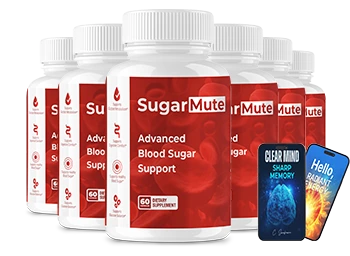
6 BOTTLES
$49
per bottle ($294 total)
180-Day Supply
Covers full 6-month evaluation period
Buy Now — Best Price
Free US Shipping + 2 Bonuses
3 BOTTLES
$59
per bottle ($177 total)
90-Day Supply
Aligns with clinical study duration (8-12 weeks)
Buy Now — 3 Bottles
Free US Shipping included
About the 180-Day Money Back Guarantee
A 180-day guarantee period is particularly relevant for blood sugar supplements because clinical research consistently shows that botanical ingredients like Berberine and Gymnema Sylvestre require extended consistent use to produce measurable outcomes. The Berberine vs. metformin study tracked results over 12 weeks; the Gymnema Sylvestre trial tracked 18-20 months. A standard 30-day return window is genuinely insufficient to evaluate whether a botanical blood sugar formula is working. The 180-day window allows adequate time to assess both the craving-reduction effects (2-4 weeks) and the glucose metabolic effects (8-16 weeks).
Why Researchers Use Multi-Month Protocols
Blood glucose metabolism involves slow-adapting processes — GLUT-4 expression changes, AMPK pathway normalization, and beta-cell function recovery all occur over weeks to months, not days. Most rigorous clinical trials of blood sugar botanicals run 12-24 weeks as a minimum. Evaluating any blood sugar supplement after only 30 days captures early craving and energy effects but cannot adequately assess core metabolic improvements.
📋
Editorial note: Pricing information is provided for reference only. We have no control over manufacturer pricing changes. This page contains affiliate links — see our full
affiliate disclosure.
Suitability
Who Should / Should Not Use SugarMute
✅ SugarMute May Be a Good Fit If You:
- Experience consistent energy crashes 1-2 hours after carbohydrate-heavy meals
- Have strong persistent sugar or carbohydrate cravings you struggle to control
- Have been told your blood sugar is "borderline" or that you have prediabetes
- Have a family history of type 2 diabetes and want proactive metabolic support
- Are making lifestyle changes (diet/exercise) and want botanical support alongside
- Are not currently on prescription diabetes medications
- Want to try a natural approach before considering pharmaceutical intervention
❌ SugarMute Is Probably NOT Right For You If:
- You have diagnosed type 1 diabetes — insulin is medically required and supplements cannot substitute
- You take prescription diabetes medications (metformin, insulin, SGLT2 inhibitors) without first consulting your physician — Berberine interactions require medical oversight
- You expect pharmaceutical-speed results — botanical ingredients work gradually over weeks and months
- You have advanced type 2 diabetes with HbA1c above 8% — medical-grade treatment is necessary
- You have kidney or liver disease without consulting your doctor first
FAQ
Frequently Asked Questions About SugarMute
How long does SugarMute take to work? ▼
Most users notice reduced sugar cravings within 2-3 weeks, as Gymnema Sylvestre's effect on sweet taste receptors is relatively rapid. More meaningful changes in fasting and postmeal glucose readings typically become apparent after 6-12 weeks of consistent daily use. The clinical studies for Berberine — the most potent ingredient — were conducted over 12-week minimum protocols. Individual results vary based on diet, exercise level, and severity of blood sugar imbalance.
Is SugarMute safe for adults over 60? ▼
SugarMute contains natural botanical ingredients generally well tolerated by healthy adults. However, adults over 60 are statistically more likely to be on prescription medications — particularly for blood pressure, blood thinners, or diabetes. Berberine can interact with these medications. A physician consultation is strongly recommended before starting SugarMute for anyone over 60 on any prescription drug.
Can I take SugarMute with other medications? ▼
Berberine in SugarMute has documented interactions with metformin (additive hypoglycemic effect), blood thinners (increased bleeding risk), and cyclosporine. Chromium at higher doses can affect insulin and medication requirements. If you take any prescription medications — especially for diabetes, blood pressure, or blood thinning — you must consult your healthcare provider before starting SugarMute. Never adjust or stop prescription medications based on supplement use without medical guidance.
Does SugarMute cure diabetes? ▼
No. SugarMute is a dietary supplement and cannot diagnose, treat, cure, or prevent diabetes or any other disease. It is designed to support healthy glucose metabolism as part of a balanced lifestyle approach. Anyone with diagnosed type 1 or type 2 diabetes must continue their prescribed medical treatment. The botanical ingredients in SugarMute may provide supportive metabolic benefits alongside medical care, but they are not substitutes for it.
Where can I buy SugarMute? Is it on Amazon? ▼
SugarMute is available exclusively through the official website at sugermutee.com. It is not sold on Amazon, Walmart, GNC, or in any retail stores. Purchasing only from the official site ensures you receive the authentic product and are covered by the 180-day money back guarantee. Third-party sellers cannot honor the manufacturer's guarantee.
Is there a refund policy for SugarMute? ▼
Yes. SugarMute offers a 180-day 100% money back guarantee. If you are unsatisfied for any reason within 180 days of purchase, contact customer support for a full refund with no questions asked. This applies even to opened and used bottles. The 180-day window is particularly relevant for blood sugar supplements because meaningful metabolic changes require consistent use over 8-16 weeks minimum.
Is SugarMute FDA approved? ▼
As a dietary supplement, SugarMute is not FDA approved in the pharmaceutical sense — no dietary supplement is. However, it is manufactured in an FDA-registered, GMP-certified facility in the United States. This means manufacturing practices are regulated and subject to federal quality standards, including testing for potency, purity, and contamination. The FDA approves drugs, not supplements.
What are the main ingredients in SugarMute? ▼
SugarMute contains 8 active ingredients: Berberine HCl (AMPK activator and glucose regulator), Chromium Picolinate (insulin sensitizer), Cinnamon Bark Extract (glucose absorption inhibitor), Bitter Melon Extract (AMPK activator), Gymnema Sylvestre (sugar craving suppressor), Alpha Lipoic Acid (antioxidant and insulin sensitizer), Banaba Leaf Extract (GLUT-4 activator), and Zinc (pancreatic beta-cell support). Exact milligram amounts per ingredient are not disclosed publicly.
Is SugarMute a scam or legitimate? ▼
SugarMute is a legitimate supplement with a transparent publicly listed ingredient profile, manufactured in an FDA-registered GMP-certified facility, backed by a 180-day money back guarantee, and formulated with ingredients that have published clinical evidence. It is not a scam. That said, individual results vary significantly, it is not a pharmaceutical treatment, and the undisclosed ingredient dosages are a transparency gap common in this industry.
How much does SugarMute cost? ▼
SugarMute costs $69 for a 1-bottle 30-day supply (plus shipping), $59 per bottle for a 3-bottle 90-day supply ($177 total, free US shipping), and $49 per bottle for a 6-bottle 180-day supply ($294 total, free US shipping plus 2 bonus gifts). All purchases are covered by the 180-day money back guarantee when bought through the official website.
Final Verdict
Our Honest SugarMute Verdict
SugarMute is one of the more comprehensive natural blood sugar supplements on the market, distinguished primarily by the inclusion of Berberine — the single most clinically validated botanical for blood glucose reduction — alongside six complementary ingredients that address different aspects of glucose metabolism. The addition of Gymnema Sylvestre for craving suppression and Alpha Lipoic Acid for antioxidant and neuropathy-support benefits gives the formula a broader scope than most single-ingredient blood sugar products. The 180-day guarantee is among the most generous in the supplement industry and meaningfully reduces the financial risk of a 3-6 month evaluation.
The primary limitation is dosage transparency. Without knowing exact milligram amounts, it is impossible to verify whether Berberine is present at the clinically relevant 1,000-1,500mg/day dose used in studies, or at a lower non-therapeutic amount included primarily for label appeal. The undisclosed dosages also make it impossible to predict drug interaction risks with precision — a particularly important consideration for Berberine. Additionally, like all botanical supplements, there are no formula-specific clinical trials; the evidence is for individual ingredients, not the SugarMute combination specifically.
For adults with prediabetes, mild blood sugar fluctuations, or strong carbohydrate cravings who are not on prescription diabetes medications and have consulted their physician, SugarMute may be worth considering as a supportive supplement alongside dietary improvements and regular physical activity. It should not be considered a primary treatment for diagnosed diabetes and must not replace prescribed medications.
⭐
Overall Rating: 4.2 / 5.0
Ingredient quality: 4.5/5 | Clinical evidence: 4.0/5 | Value for money: 4.0/5 | Guarantee: 5.0/5 | Transparency: 3.0/5
DM
David Mitchell
Independent Health Researcher | Blood Sugar & Metabolic Health Specialist
David Mitchell has over 12 years of experience researching metabolic health, blood sugar regulation, and evidence-based nutritional supplementation. He holds a certification in functional nutrition and has independently reviewed over 150 blood sugar and metabolic support supplements with a focus on clinical evidence quality and ingredient transparency. Last updated: April 2026.
📚 Scientific References
- Yin J, et al. Efficacy of Berberine in patients with type 2 diabetes mellitus. Metabolism. 2008;57(5):712-717. PubMed PMID: 18397984
- Broadhurst CL, Domenico P. Clinical studies on chromium picolinate supplementation in diabetes mellitus — a review. Diabetes Technology & Therapeutics. 2006;8(6):677-687. PubMed PMID: 17109600
- Khan A, et al. Cinnamon improves glucose and lipids of people with type 2 diabetes. Diabetes Care. 2003;26(12):3215-3218. PubMed PMID: 14633804
- Shanmugasundaram ER, et al. Use of Gymnema sylvestre leaf extract in the control of blood glucose in insulin-dependent diabetes mellitus. Journal of Ethnopharmacology. 1990;30(3):281-294. PubMed PMID: 2259217
- Poh ZX, Goh KP. A review of the effects of alpha lipoic acid on body weight and glycemic control in type 2 diabetes. Obesity Reviews. 2011;12(5):e1-e7. PubMed PMID: 21432160
- Jayawardena R, et al. Effects of zinc supplementation on diabetes mellitus: a systematic review and meta-analysis. Scientific Reports. 2015;5:17193. PubMed PMID: 25994612